NeuroHope Coaching - supporting parents caring for neurodivergent children, especially during challenging times.
I provide understanding, guidance, and practical support for parents navigating difficult moments with their neurodivergent child.
With lived experience and a compassionate approach, I help you feel more confident, supported, and less alone.
Who am I?
Amy Glees
Professional Coach Diploma (ICF Level 1) – Certified by Optimus Coaching Academy 2026
Diploma in Autism and Mental Health – National Centre for Autism and Mental Health 2025
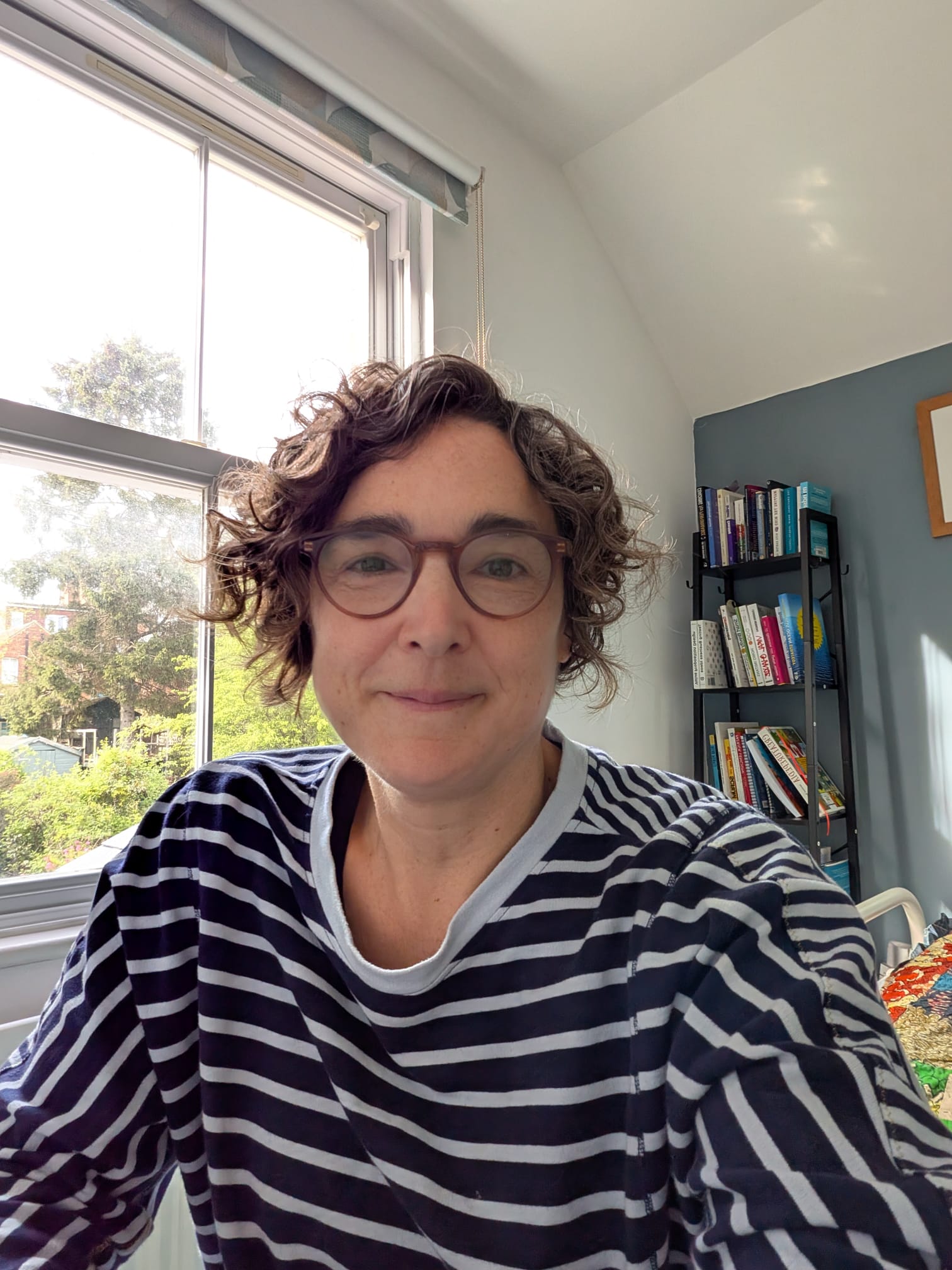
Hi, I'm Amy! I'm an accredited coach based in Oxford, UK.
In 2023, my understanding of neurodiversity started and ended with Rain Man. That changed when my daughter received an autism diagnosis after years of struggling with anorexia and unsuccessful treatments.
We walked out of that life-changing appointment with more questions than answers. We were left without guidance and felt lost as we tried to navigate what came next. For years, we had followed the recommended treatment pathways, yet nothing seemed to help. When we finally received the autism diagnosis, no one explained the connection between neurodiversity and the challenges she had been facing.
As I tried to better support my daughter, I began learning about neurodiversity, regulation, and nervous system safety- while also rethinking my own experience of dyslexia.
What I discovered transformed the way I understood both my daughter and myself. Rather than seeing neurodiversity as a collection of deficits, I began to see it as a different way of experiencing the world, with its own strengths, challenges, and support needs. This neuroaffirmative perspective became the foundation of my work.
That journey led me to one core belief: safety and understanding are the foundation for change.
When people feel safe, understood, and supported, they are far more able to access their strengths, navigate challenges, and move towards the life they want. Whether someone is struggling with school attendance, anxiety, eating difficulties, burnout, or simply trying to understand themselves better, creating safety must come first.
I founded NeuroHope Coaching to support families in making sense of neurodiversity and finding a more hopeful way forward. Through NeuroHope Coaching, I aim to provide some of what I wish we'd had: someone who could help us understand what neurodiversity meant for our family and support us as we found our own path forward.
Today, I support parents of neurodivergent children through a combination of coaching, practical insights, and evidence-based approaches, helping them better understand their child's needs, build confidence, and create a way forward that works for their family.
My work is not about fixing people. It's about helping individuals and families understand themselves more deeply, identify what works for them, and build environments where they can thrive.
You don't need a diagnosis to work with me. Many of the families and individuals I support are exploring whether neurodiversity may be part of their story, while others have formal diagnoses. What matters most is understanding your unique experiences and finding strategies that genuinely support you. Because every family deserves support, understanding, and hope.
What do I offer?
I help parents of neurodivergent children navigate a wide range of complex challenges, from frequent meltdowns and school refusal to co-occurring mental health conditions, social isolation, and beyond.
My coaching focuses on understanding, regulation, creating more safety and confidence within the family system.
You can choose the format that best fits your needs and current situation.
Personalised coaching tailored to you and your family
Making sense of what is happening through a neurodivergent lens
Building regulation, safety, and practical strategies at home
Focused entirely on your unique situation (no one-size-fits-all approach)
Remote sessions at a time that works for you
Small-group coaching with other parents on a similar journey
A supportive space to bring your own personal goal
Shared reflection, learning, and connection with others
Dedicated time for each participant within every session
Remote sessions
NB waiting list may apply
Free 15-minute introductory call
Space to share your current situation and ask questions
Explore whether coaching feels like a good fit
No pressure or obligation to continue!
Frequently Asked Questions
Can't find an answer? Don't hesitate to reach out!
What is neuro-affirmative practice?
Unlike a traditional medical model, which views neurodiversity through a lens of deficits, neuroaffirmative practice focuses on understanding the individual and their unique profile, with an emphasis on strengths. It is about empowering the person they are, rather than who they are expected to be.
What is the impact of neurodiversity on mental health?
Unsupported neurodiversity can have a profound impact on mental health:
84% of autistic individuals experience anxiety (compared to 21% in the general population)
Autistic people are 4 x more likely to experience depression
53% of ADHD adults report experiencing depression
20-35% of those receiving in-patient treatment for eating disorders meet the diagnostic criteria for autism
Neurodiversity can be a reason for school refusal, 58% of SEN children have had to take time out of school because their needs can’t be met
Autistic people are twice as likely to experience addiction; 25% of adults being treated for drug and alcohol addiction have autism and/or ADHD
70% of autistic, and 69% of ADHD young people have either harmed themselves or thought about suicide
How is this different to CAMHS or clinical support?
Clinical teams you may have come into contact with will often offer specific treatments to address identified issues.
Coaching can work alongside these approaches. Unlike therapy, coaching is not focused on “fixing” the past, but instead on empowering you to create a positive and meaningful future, drawing on your unique strengths.
My child is currently in crisis (e.g., school refusal or an eating disorder). Is this the right time for coaching?
I’m not a medical doctor, and your child’s health and wellbeing should always be the priority. That said, I have been there myself, as have many of my clients.
In times of crisis, coaching can offer a space to be heard and supported while you develop strategies to navigate this period and build a greater sense of safety and hope. Families play a unique role in co-regulation, helping to create emotional stability and safety through calm, consistent presence. Coaching can support you in developing and strengthening this capacity.
What if my child doesn't want to be involved?
My coaching is primarily about supporting you as a parent. You are the biggest influence on your child’s environment and the changes that you make will have a direct benefit for them without them having to attend a session themselves.